

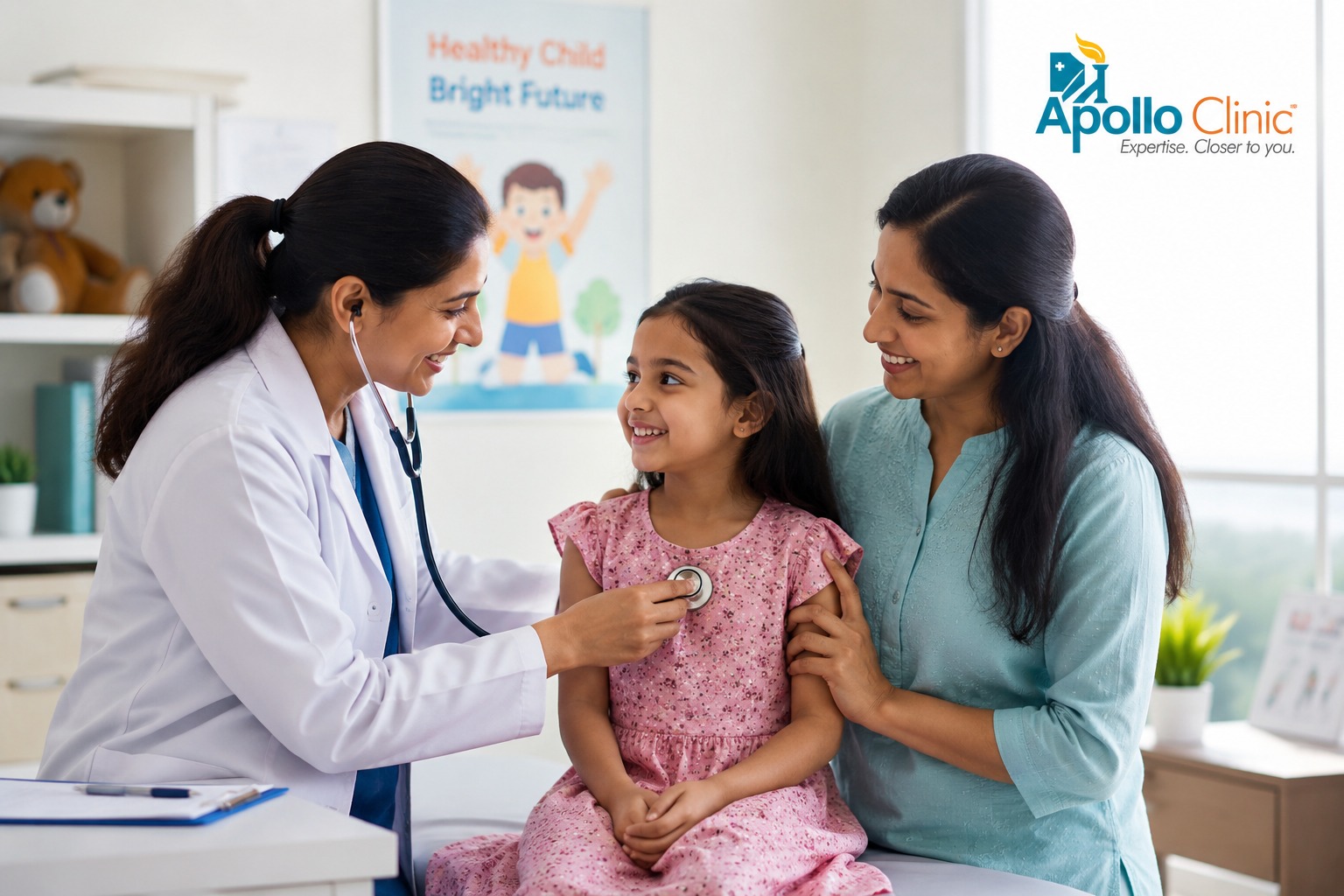
Children’s healthcare is evolving rapidly. Advances in medical technology, preventive care, digital health services, and personalized treatment approaches are reshaping the way pediatric care is delivered. As parents become increasingly aware of the importance of early diagnosis and preventive healthcare, paediatrics is entering a new era focused on proactive and comprehensive child wellness.
At Apollo Clinic, pediatric care extends beyond treating illnesses. The focus is on supporting healthy growth, early intervention, disease prevention, and ensuring children receive the right medical attention at every stage of development.
What Is Modern Paediatrics?
Paediatrics is the branch of medicine dedicated to the health and well-being of infants, children, and adolescents. Modern paediatrics combines medical expertise, advanced diagnostics, preventive care, and developmental monitoring to support a child’s physical, emotional, and mental health.
Today, pediatric care focuses not only on treating diseases but also on improving overall quality of life and promoting long-term wellness.
Why Preventive Child Healthcare Is Becoming More Important
Healthcare experts increasingly emphasize prevention over treatment. Regular pediatric visits help identify potential health concerns before they become serious problems.
Preventive paediatric care includes:
- Routine health checkups
- Vaccination programs
- Growth and developmental assessments
- Nutritional guidance
- Behavioral evaluations
- Early disease screening
Early intervention often leads to better treatment outcomes and healthier childhood development.
Digital Healthcare Is Transforming Paediatrics
Technology is changing the way children receive healthcare. Digital tools now support pediatric care through:
Teleconsultations
Parents can consult pediatric specialists remotely for minor illnesses, follow-up appointments, and medical advice.
Digital Health Records
Electronic medical records help doctors track vaccination schedules, growth milestones, allergies, and medical history more efficiently.
Remote Monitoring
Wearable devices and health applications are helping families monitor sleep patterns, physical activity, and certain health conditions.
These innovations improve convenience while maintaining continuity of care.
Personalized Pediatric Care Is the Future
Every child develops differently. Modern paediatrics increasingly focuses on personalized healthcare plans based on:
- Age and growth patterns
- Medical history
- Lifestyle factors
- Nutritional needs
- Developmental milestones
- Family health history
Individualized care allows pediatricians to provide more accurate diagnoses and treatment recommendations.
Mental Health Awareness in Children
Mental and emotional well-being has become an essential part of pediatric care. Anxiety, stress, learning challenges, behavioral disorders, and emotional difficulties can affect children at an early age.
Paediatric specialists now work closely with parents to identify concerns such as:
- Sleep disturbances
- Anxiety and stress
- Attention difficulties
- Behavioral changes
- Social challenges
- Emotional health issues
Early support can significantly improve a child’s overall development.
Importance of Vaccination and Immunization
Vaccination continues to play a critical role in protecting children against infectious diseases. Modern immunization schedules are designed to safeguard children during their most vulnerable years.
Regular pediatric consultations help parents stay informed about:
- Recommended vaccinations
- Booster doses
- Seasonal vaccinations
- Travel-related vaccines
- Preventive health measures
Timely immunization remains one of the most effective ways to protect children’s health.
Nutrition and Lifestyle Guidance
Healthy eating habits established during childhood often continue into adulthood. Pediatric care now includes nutritional counseling to address concerns such as:
- Poor eating habits
- Childhood obesity
- Vitamin deficiencies
- Growth concerns
- Food allergies
- Healthy weight management
Encouraging physical activity, balanced nutrition, and healthy routines contributes to overall well-being.
Early Diagnosis Through Advanced Diagnostics
Modern diagnostic technologies help pediatricians identify health conditions earlier than ever before. Diagnostic services support the evaluation of:
- Allergies
- Respiratory conditions
- Nutritional deficiencies
- Developmental disorders
- Hormonal issues
- Infections
Early diagnosis enables faster treatment and improved outcomes.
When Should Parents Visit a Pediatrician?
Parents should schedule pediatric visits for:
- Routine wellness checkups
- Vaccinations
- Growth monitoring
- Persistent fever
- Breathing difficulties
- Feeding concerns
- Developmental delays
- Behavioral changes
Regular pediatric consultations ensure children receive timely medical attention throughout their developmental years.
Why Choose Apollo Clinic for Paediatric Care?
Apollo Clinic offers comprehensive pediatric services designed to support children’s health from infancy through adolescence. Experienced pediatric specialists focus on preventive care, diagnosis, treatment, and long-term wellness.
Benefits include:
- Experienced pediatric doctors
- Child-friendly healthcare environment
- Preventive healthcare programs
- Vaccination services
- Diagnostic support
- Personalized treatment plans
- Integrated healthcare services
Parents can access reliable medical care while receiving guidance on every stage of their child’s development.
Conclusion
The future of paediatrics is centered on prevention, personalization, technology, and holistic child wellness. As healthcare continues to advance, parents have greater opportunities to ensure their children receive the best possible care.
Regular pediatric consultations, early diagnosis, preventive healthcare, and healthy lifestyle habits all contribute to a healthier future for children.
Apollo Clinic remains committed to supporting families with comprehensive pediatric care that helps children grow, thrive, and achieve their full potential.
Frequently Asked Questions
1. What does a pediatrician treat?
Pediatricians diagnose and treat illnesses, monitor growth and development, provide vaccinations, and manage children’s overall health.
2. How often should children visit a pediatrician?
Regular wellness visits are recommended according to age, vaccination schedules, and individual health needs.
3. Why is preventive pediatric care important?
Preventive care helps detect health issues early, supports healthy development, and reduces future health risks.
4. Can pediatricians help with behavioral concerns?
Yes. Pediatricians evaluate behavioral and developmental concerns and recommend appropriate treatment or specialist support.
5. What age group does paediatrics cover?
Paediatric care generally covers infants, children, and adolescents up to 18 years of age.
