
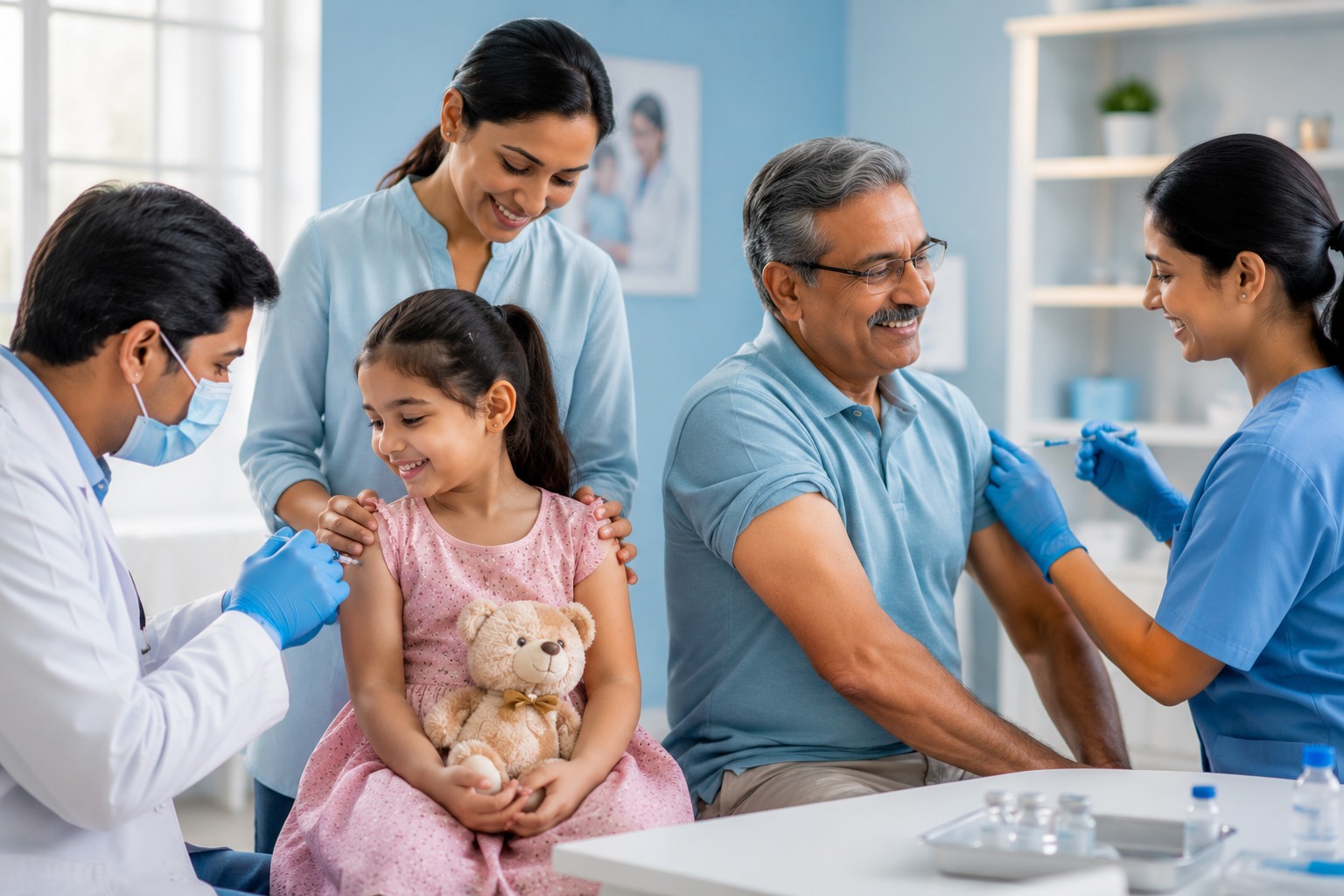
Vaccination has long been one of the most effective ways to prevent infectious diseases and protect public health. In 2026, vaccines continue to play a critical role in safeguarding both children and adults against serious illnesses. With changing lifestyles, global travel, emerging infections, and increasing awareness about preventive healthcare, immunization has become more important than ever.
At Apollo Clinic, vaccination services are designed to help individuals and families stay protected through every stage of life. From childhood immunization schedules to adult booster doses, preventive healthcare remains a key part of maintaining long-term wellness.
Why Vaccination Still Matters in 2026
Vaccines help the immune system recognize and fight harmful viruses and bacteria before they cause severe illness. Immunization not only protects individuals but also helps reduce the spread of diseases within communities.
Modern vaccines have contributed to the control of several life-threatening illnesses, including:
- Measles
- Polio
- Hepatitis
- Influenza
- Tetanus
- Diphtheria
- Pneumonia
- Human Papillomavirus (HPV)
As healthcare continues to evolve, vaccination remains one of the most effective preventive measures available.
Benefits of Vaccination
Vaccination offers several important health benefits:
| Benefit | Impact |
| Disease Prevention | Reduces the risk of serious infections |
| Community Protection | Helps prevent disease outbreaks |
| Lower Healthcare Costs | Reduces hospitalization and treatment expenses |
| Stronger Immunity | Enhances the body’s defense system |
| Long-Term Protection | Provides lasting immunity against certain diseases |
Vaccines protect not only individuals but also vulnerable groups such as infants, older adults, and people with weakened immune systems.
Childhood Vaccination: Building Immunity Early
Children are more vulnerable to infections because their immune systems are still developing. Vaccination during infancy and childhood helps build protection during these critical years.
Important childhood vaccines may include:
- BCG
- Polio vaccine
- DPT vaccine
- MMR vaccine
- Hepatitis vaccines
- Rotavirus vaccine
- Pneumococcal vaccine
- Chickenpox vaccine
Regular pediatric consultations help ensure children receive vaccines according to recommended schedules.
Adult Vaccination Is Equally Important
Many people believe vaccines are only necessary during childhood. However, adults also require vaccinations and booster doses to maintain immunity.
Adult vaccines may help protect against:
- Influenza
- Hepatitis
- Tetanus
- Shingles
- Pneumococcal disease
- HPV
- Travel-related infections
Individuals with chronic conditions, older adults, healthcare workers, and frequent travelers may particularly benefit from adult immunization.
Vaccination and Preventive Healthcare
Preventive healthcare focuses on reducing the risk of illness before it develops. Vaccination is one of the strongest pillars of preventive medicine.
Regular health checkups combined with vaccination help:
- Detect health risks early
- Prevent complications
- Reduce disease transmission
- Improve overall quality of life
- Support healthy aging
Preventive healthcare strategies can significantly reduce long-term medical expenses and improve health outcomes.
Addressing Vaccine Hesitancy
Despite scientific advancements, some individuals remain uncertain about vaccines. Consulting qualified healthcare professionals helps address concerns and provide accurate information.
Healthcare providers can discuss:
- Vaccine safety
- Possible side effects
- Benefits versus risks
- Recommended schedules
- Individual health considerations
Reliable medical guidance helps families make informed healthcare decisions.
Travel and Occupational Vaccinations
International travel and certain professions may require additional immunizations. Travel vaccines protect individuals against diseases common in specific regions.
Healthcare workers, laboratory staff, and people working in public environments may also require recommended vaccinations to reduce exposure risks.
The Role of Technology in Immunization
Digital healthcare tools are improving vaccination management through:
- Electronic vaccination records
- Appointment reminders
- Immunization tracking systems
- Digital health platforms
- Online consultations
Technology helps patients stay informed and maintain vaccination schedules more effectively.
Why Choose Apollo Clinic for Vaccination Services?
Apollo Clinic offers comprehensive vaccination services for children, adults, and senior citizens. Experienced healthcare professionals provide guidance based on age, health conditions, and individual requirements.
Benefits include:
- Qualified healthcare experts
- Vaccination counseling
- Pediatric immunization services
- Adult vaccination programs
- Preventive healthcare support
- Convenient appointment scheduling
- Integrated healthcare services
The goal is to help individuals and families stay protected throughout every stage of life.
Conclusion
Vaccination continues to be one of the most effective and reliable methods of preventing disease in 2026. Whether for children, adults, or senior citizens, immunization remains a critical component of preventive healthcare.
By staying up to date with recommended vaccines and consulting healthcare professionals regularly, individuals can reduce health risks and protect themselves as well as their communities.
Apollo Clinic remains committed to supporting healthier lives through comprehensive vaccination services and preventive healthcare solutions.
Frequently Asked Questions
1. Why are vaccines important for adults?
Adult vaccines help maintain immunity, prevent serious diseases, and protect against age-related health risks.
2. Are vaccines safe?
Vaccines undergo extensive testing and monitoring to ensure safety and effectiveness.
3. Do adults need booster doses?
Yes. Certain vaccines require booster doses to maintain protection over time.
4. Why should children follow vaccination schedules?
Timely vaccinations help protect children during their most vulnerable stages of development.
5. Can vaccination prevent disease outbreaks?
Yes. Widespread immunization reduces disease transmission and helps protect communities.
