

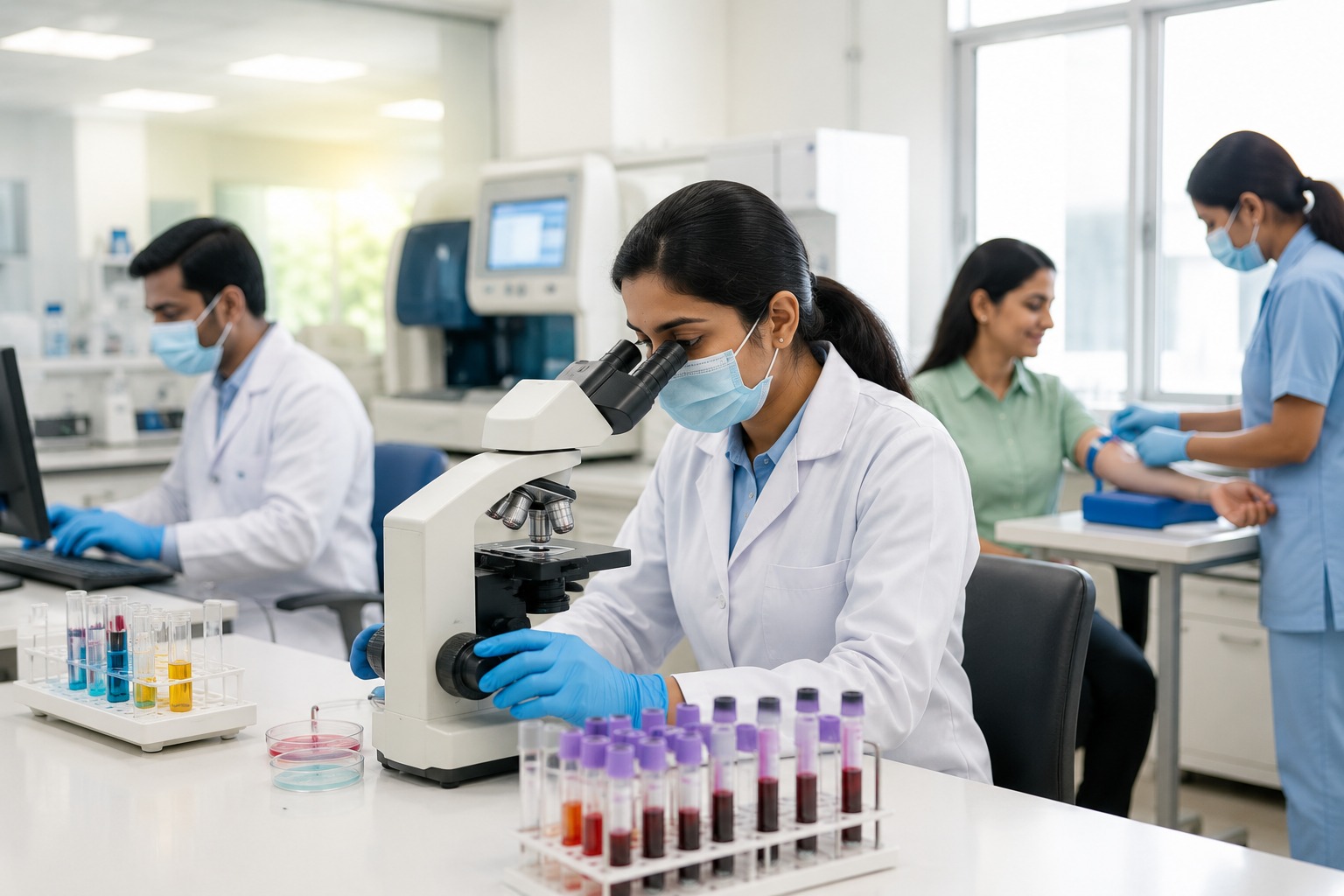
In today’s fast-paced world, healthcare is rapidly shifting from reactive treatment to preventive care. One of the biggest factors driving this change is timely diagnostics. Early and accurate diagnosis helps doctors identify health conditions before they become severe, allowing patients to receive faster treatment and better outcomes.
As healthcare continues to evolve in 2026, diagnostic services have become an essential part of modern medicine. From routine blood tests to advanced imaging technologies, timely diagnostics help detect diseases at an early stage, reduce complications, and improve overall quality of life.
At Apollo Clinic, diagnostic services play a crucial role in supporting preventive healthcare and delivering accurate treatment solutions for patients of all ages.
What Are Diagnostic Services?
Diagnostics refer to medical tests and procedures that help identify diseases, infections, deficiencies, or health conditions. These tests provide valuable information that allows healthcare professionals to make informed decisions regarding treatment and care.
Common diagnostic services include:
- Blood tests
- Urine analysis
- X-rays
- Ultrasound scans
- ECG
- CT scans
- MRI scans
- Diabetes screening
- Thyroid testing
- Preventive health checkups
Accurate diagnostic results help doctors understand the root cause of symptoms and recommend suitable treatment plans.
Why Timely Diagnostics Matter
Many diseases develop silently without obvious symptoms. Conditions such as diabetes, high blood pressure, thyroid disorders, and certain cancers may remain undetected for years.
Timely diagnostics offer several benefits:
Early Disease Detection
Identifying diseases during the initial stages increases treatment success and reduces complications.
Faster Medical Intervention
Quick diagnosis allows doctors to start treatment sooner, leading to faster recovery.
Improved Treatment Accuracy
Diagnostic tests help physicians choose the most effective treatment approach based on precise information.
Reduced Healthcare Costs
Early diagnosis often prevents expensive treatments and hospitalizations in the future.
The Growing Role of Diagnostics in Preventive Healthcare
Preventive healthcare is becoming increasingly important in 2026. Instead of waiting for symptoms to appear, individuals are opting for regular health screenings to monitor their health.
Preventive diagnostics can identify:
- High cholesterol
- Diabetes risk
- Heart disease
- Vitamin deficiencies
- Liver disorders
- Kidney diseases
- Thyroid problems
Regular screenings empower individuals to take control of their health before problems become serious.
Technology Is Transforming Diagnostics
Modern diagnostic technology has significantly improved accuracy and efficiency.
Some major advancements include:
Digital Imaging
Advanced imaging technologies provide clearer and more precise results.
Automated Laboratory Testing
Automation reduces errors and speeds up reporting.
Artificial Intelligence in Diagnostics
AI-assisted systems help analyze reports and support clinical decisions.
Electronic Health Records
Digital records improve communication between doctors and patients.
These innovations make healthcare more efficient and improve patient outcomes.
Common Signs That Should Never Be Ignored
Certain symptoms may indicate underlying health problems and require diagnostic evaluation:
- Persistent fatigue
- Unexplained weight loss
- Frequent headaches
- Chest discomfort
- Breathing difficulties
- Changes in blood sugar levels
- Abnormal blood pressure
- Digestive issues
Ignoring these signs may delay treatment and increase health risks.
Who Should Undergo Regular Diagnostic Tests?
Regular health screenings are beneficial for:
- Adults above 30 years
- Individuals with family medical history
- Patients with chronic conditions
- People with sedentary lifestyles
- Smokers and alcohol users
- Senior citizens
- Individuals experiencing unexplained symptoms
Routine testing helps monitor health conditions and detect potential problems early.
Diagnostics and Better Treatment Outcomes
Accurate diagnosis is the foundation of effective treatment. Without proper diagnostic information, treatment may be delayed or less effective.
Benefits of timely diagnostics include:
- Faster recovery
- Better treatment planning
- Reduced complications
- Improved patient safety
- Lower healthcare expenses
- Enhanced quality of life
Healthcare providers can deliver more personalized care when supported by accurate diagnostic reports.
Why Choose Apollo Clinic for Diagnostic Services?
Apollo Clinic offers comprehensive diagnostic services supported by modern technology and experienced healthcare professionals.
Patients benefit from:
- Advanced diagnostic facilities
- Accurate and reliable reports
- Preventive health packages
- Skilled healthcare experts
- Convenient appointment scheduling
- Integrated medical services
Timely diagnostics at Apollo Clinic help patients make informed healthcare decisions and receive appropriate treatment at the right time.
Conclusion
Timely diagnostics have become an essential part of modern healthcare. Early detection, accurate diagnosis, and prompt treatment significantly improve health outcomes and reduce long-term complications.
As healthcare continues to advance in 2026, regular health screenings and diagnostic tests will play an even greater role in preventive care.
Apollo Clinic remains committed to providing reliable diagnostic services that support faster diagnosis, accurate treatment, and healthier lives.
Frequently Asked Questions
1. Why are diagnostic tests important?
Diagnostic tests help detect diseases early and support accurate treatment decisions.
2. How often should health checkups be done?
Most adults should undergo annual health screenings, while individuals with medical conditions may require more frequent testing.
3. Can diagnostic tests detect diseases before symptoms appear?
Yes, many conditions can be identified during their early stages through preventive diagnostics.
4. Are diagnostic tests safe?
Most diagnostic tests are safe and performed under medical supervision.
5. Who should get regular health screenings?
Adults, senior citizens, individuals with family history, and people with lifestyle risk factors should undergo regular screenings.
